

Take a trip to Brazil with Stefany Claudia, NYU Stern MBA Class of 2025, in this Fridays from the Frontline for an inside look at a Stern Signature Project, a semester-long experiential study. This spring, her Signature Project team partnered with Aliança pelo Impacto, a nonprofit impact ecosystem builder in São Paulo, to explore how Brazil can unlock more capital for its impact investing ecosystem. The students spent a week in the field meeting with over 50 key stakeholders across the ecosystem, from venture capitalists, accelerators, entrepreneurs, development banks, DFIs, and global policy advocates. Read on for Stefany’s insights from this impactful experience.
Listening, Learning, and Leading — My Journey with the Brazil NYU Stern Signature Project
 By Stefany Claudia, NYU Stern MBA Class of 2025
When I joined the Brazil NYU Stern Signature Project (SSP), I was looking for more than just another academic group assignment. I came to business school not only to sharpen my skills, but to test them in real-world environments. Stern’s emphasis on experiential learning, especially through initiatives like SSP, is part of what drew me here in the first place.
I didn’t want to just study impact investing in theory and from a distance. I wanted to be in it. To listen, contribute, and work alongside people building real solutions for the ecosystem. The SSP Brazil project gave me that and more.
Our team partnered with Aliança pelo Impacto, the national convener of Brazil’s impact investing ecosystem. As Brazil prepares to host COP-30, Aliança is stepping into a more prominent leadership role, moving from connector to leader. Their goal is to go beyond convening and start shaping national strategy: coordinating collaboration across sectors, mobilizing capital toward impact, and elevating Brazil’s impact story on both national and global stages. Our job was to help them get there.
From NYC to São Paulo: Groundwork and Fieldwork
We kicked off the project in New York by diving deep into secondary research and global benchmarking. We studied national impact strategies in countries like the UK, the Netherlands, South Africa, and Japan. We spoke with an analyst from the Global Impact Investing Network (GIIN) and reviewed reports from organizations building ecosystems at scale. Our goal was to understand what’s working elsewhere, and what lessons might translate to Brazil.
But it wasn’t until we landed in São Paulo that it all came together.
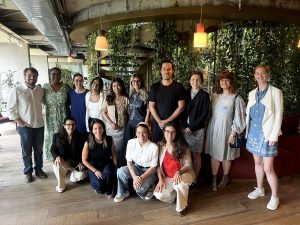
Over five intense days, we met with more than 50 stakeholders shaping Brazil’s impact investing space: DFIs, fund managers, accelerators, entrepreneurs, public banks. We asked hard questions and heard honest answers: Where is the system stuck? What narratives are missing? What’s needed to build trust and unlock capital? And every conversation added a new layer. We heard optimism, but also frustration. We heard about powerful collaboration already happening but also about fragmentation that slows progress. Everyone we spoke with brought a unique perspective, but one thing was clear: there’s a shared urgency to unlock more capital, scale what’s working, and tell Brazil’s story with more strength and confidence.
Meeting people face-to-face helped us move beyond the abstract. It connected our work to real ambitions, real barriers, and real opportunities. Being on the ground shifted everything. We weren’t just researching anymore, we were co-creating. And it pushed us to root our recommendations in lived realities, not just frameworks.
Building Something That Could Move the Needle
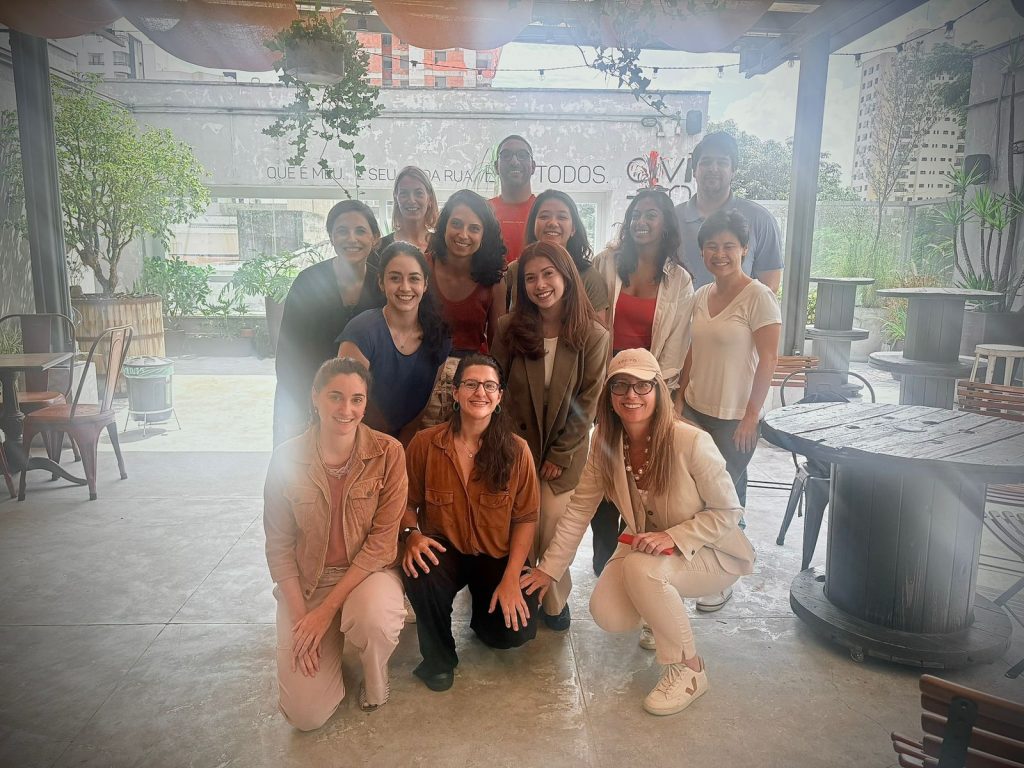
In the final stretch of the project, our job was to turn complexity into clarity. Working closely with our client, we developed a set of bold but actionable recommendations, a roadmap they could carry forward beyond our time together.
We landed on three key levers to help mobilize capital and strengthen the ecosystem: one focused on creating multi-sector task forces to reduce fragmentation, another on building open-source financial education tools for entrepreneurs, a third on standardizing impact measurement across the ecosystem, and an additional recommendation on telling Brazil’s impact story more powerfully to inspire trust and attract capital. This wasn’t about delivering a perfect answer. It was about creating something useful. Something that could help Aliança and its partners in the ecosystem take the next step in shaping Brazil’s impact future.
Why This Work Matters
What stayed with me most wasn’t a slide or a deliverable, it was the energy of Brazil’s impact ecosystem. In every meeting, I felt the momentum and urgency. Despite limited resources and real barriers, the ecosystem is full of people building, collaborating, testing, and pushing for change, with heart, and with hope.
That spirit reminded me that ecosystem-building isn’t just about frameworks. It’s about trust, relationships, and showing up to solve problems together. Through this project, I saw the best of Stern’s experiential model, where we weren’t just students, but thought partners invited into real conversations. Getting to contribute to that, even in a small way, was incredibly meaningful, and it reminded me of the kind of leader I want to be: grounded, curious, and committed to impact.
Carrying It Forward
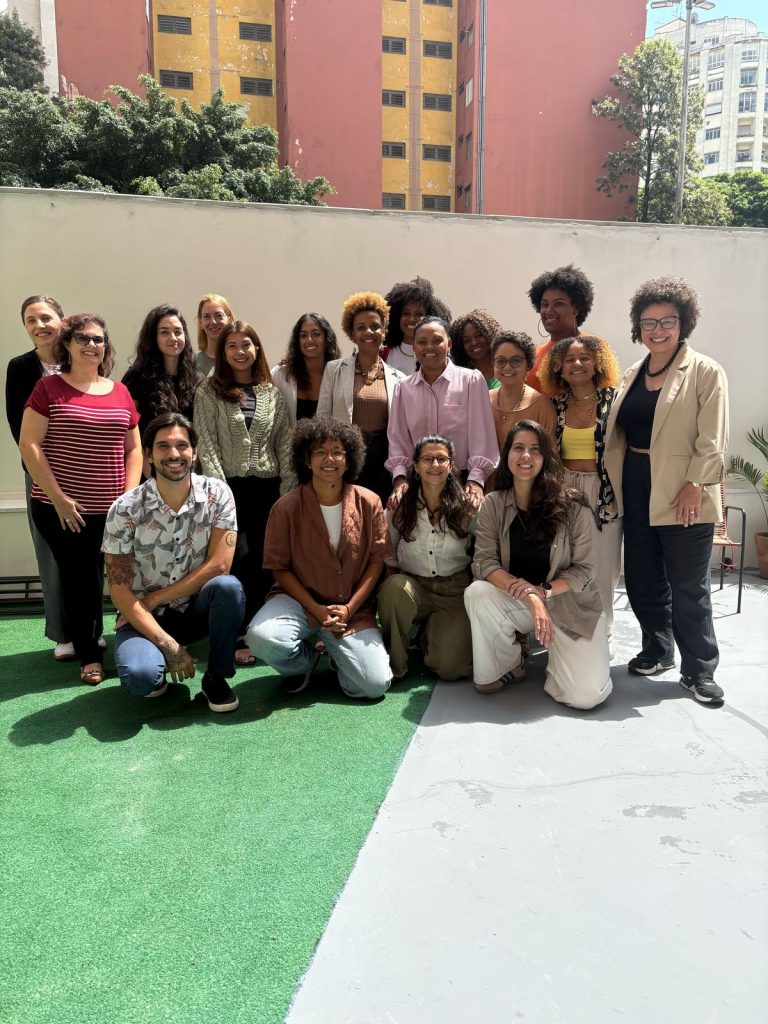
I’m so grateful for the people who made this experience what it was, especially to our partners in Brazil, who welcomed us with generosity, candor, and an openness to building together. This wasn’t just a class project. It was a turning point.
This project challenged me, inspired me, and helped me grow into a stronger version of the professional I want to be. It deepened my belief in ecosystem-building as a lever for long-term change. And it gave me the confidence to lead in spaces where the path isn’t always clear-but the mission is.
Obrigada (“thank you”), SSP Brazil. I’ll carry this experience with me, wherever I go next.
Do you want to share your current MBA student experience in a Fridays from the Frontline feature? Email [email protected] with your information and idea.