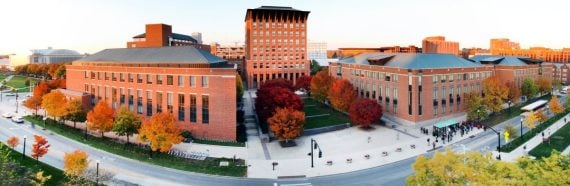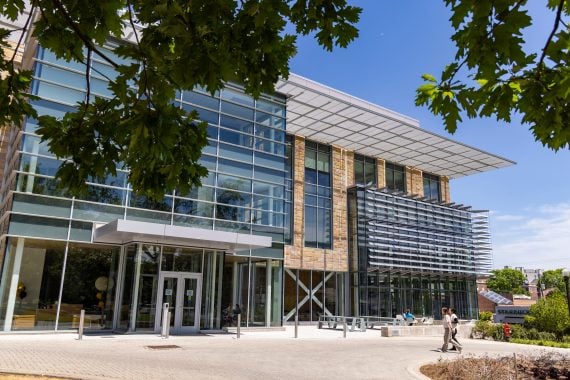



In this Real Humans: Alumni, we meet Rufus Kwesi Kumi Ayisi, Washington University’s Olin Business School MBA ’24, who combined his background in engineering and finance to carve out a strategic role at the intersection of both disciplines—now serving as a Senior Financial Analyst at Applied Materials. Originally from Accra, Ghana, Rufus brought six years of pre-MBA experience in engineering and audit roles to WashU Olin, where he pursued an MBA in finance. Drawn by Olin’s experiential learning model, collaborative culture, and flexible curriculum, Rufus immersed himself in team-based projects and a global business perspective. A pivotal internship with Amazon Music Finance solidified his interest in data-driven corporate finance within innovative industries. Post-MBA, he chose Applied Materials to deepen his impact in semiconductor innovation, leveraging his unique technical-financial hybrid skill set. Read on for his story, insights and advice below.
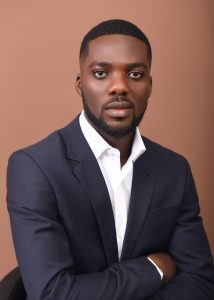
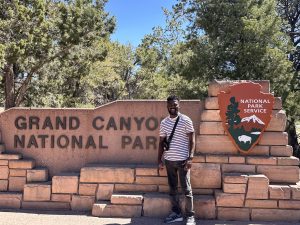
Rufus Kwesi Kumi Ayisi, WashU Olin MBA ’24, Senior Financial Analyst at Applied Materials
Age: 33
Hometown: Accra, Ghana
Undergraduate Institution and Major: Kwame Nkrumah University of Science and Technology (Electrical, Electronic Engineering)
Graduate Business School, Graduation Year and Concentration: Washington University, Olin, 2024, MBA in Finance
Pre-MBA Work Experience: 4 years Engineering, 2 years Audit
Post-MBA Work Experience: Senior Financial Analyst, Applied Materials, Semiconductors
Why did you choose to attend business school?
I decided to pursue business school after my second year working offshore, though timing was initially uncertain. With experience in finance and engineering, I saw business school as the ideal way to blend my technical expertise with financial acumen and gain exposure to diverse global companies. I knew my unique skill set would be an asset, and business school would accelerate my ability to integrate these strengths effectively.
Why Washington Olin? What factors figured most prominently into your decision of where to attend?
I chose Washington University’s Olin Business School for its unique blend of experiential learning, collaborative culture, and flexible curriculum, which perfectly aligned with my goal of merging my engineering and finance expertise. After two years working offshore, I sought a program that would accelerate my ability to integrate these skill sets and provide access to diverse global companies. Olin’s small class size fosters deep relationships with world-class faculty and talented peers, creating an environment where collaboration thrives, even in challenging team dynamics—a skill I honed during my MBA and now apply daily in my career. The program’s emphasis on real-world projects, such as global immersions and team-based consulting, offered practical opportunities to apply my technical and financial knowledge.
What about your MBA experience prepared you for your current career?
My MBA experience taught me the value of collaboration, particularly with individuals from diverse backgrounds. I honed my ability to work effectively in challenging team dynamics, a skill that has proven invaluable in my current role.
What was your internship during business school? How did that inform your post-MBA career choice?
My internship during business school was with Amazon’s Finance Leadership Development Program, supporting Amazon Music Finance. This experience deepened my understanding of corporate finance within the tech ecosystem and exposed me to dynamic, data-driven decision-making. Collaborating with the finance team was highly rewarding, solidifying my interest in finance roles and shaping my post-MBA career focus on strategic finance positions in innovative industries.
Why did you choose your current company? What factors figured most prominently into your decision of where to work?
My objective post-MBA was to work at the intersection of finance and engineering, leveraging my skill sets in both areas to drive meaningful impact. Applied Materials stood out as a leader in semiconductor innovation and materials engineering, making it the ideal place for me to apply my expertise. When I was contacted for the Senior Financial Analyst role, I recognized it as a unique opportunity to deepen my understanding of how global corporations operate and how finance and engineering collaborate to create value—both for customers and the company. The chance to contribute to cutting-edge technology while working in a financially strategic role solidified my decision to join.
 Your alumni advice to current Olin MBA students:
–One thing you would absolutely do again as part of the job search?
One thing I would absolutely do again is network with professionals in my target post-MBA roles and industries. I will proactively connect with individuals in my desired finance roles, arranging coffee chats to gain insights into their work and the skills critical for success. These conversations will provide invaluable industry knowledge and clarity on the specific competencies required for the positions I pursued after my MBA.
–One thing you would change or do differently as part of the job search?
Not necessarily change, but I would have spent some time getting another offer from another company to give me leverage in negotiating my offer with Applied Materials. I was very excited to secure the Applied Materials job early in my last semester so I ended my recruiting process and focused on enjoying my final semester at WashU. I don’t regret that, but it would have been interesting to pursue another offer while still enjoying my final year.
–Were there any surprises regarding your current employer’s recruiting process?
One surprise in Applied Materials’ recruiting process was the structure of the interview stages. After my initial phone interview with the recruiter, I had three additional interviews with segment CFOs, which was unexpected. In previous experiences, I typically met high-ranking leaders only in the final stage, so engaging with senior executives earlier in the process stood out as a unique aspect of their approach.
–What piece of advice do you wish you had been given during your MBA?
The advice I wish I had received during my MBA is to step out of my comfort zone, embrace new experiences, and build connections with diverse peers. Exploring unfamiliar opportunities and forming new friendships would have enriched my perspective and expanded my network, enhancing both my personal growth and professional journey.