


In this edition of our Admissions Director Q&A, we are back again with Steve Thompson, Senior Director of Admissions at Northwestern University’s Kellogg School of Management.
As the leader of Full-Time admissions, Steve is focused on attracting the best and brightest candidates to Kellogg’s portfolio of Full-Time MBA programs. Steve has played a critical leadership role at Kellogg since January 2018, when he first joined the team as director of the Executive MBA Program. Prior to Kellogg, Steve worked at IE Business School as the Executive Director of the International MBA Program.
Read on for Steve’s insights into the Kellogg MBA program, how to approach your application essays, what to expect in the interview and more.

Clear Admit: What is the one aspect of your program that you wish applicants knew more about?
Steve Thompson: One aspect of Kellogg I wish more applicants knew about is our emphasis on constantly innovating our curriculum, especially in areas shaping the future of business. We’re not just teaching students about emerging technologies; we’re embedding them into the Kellogg experience in meaningful, hands-on ways. A great example is our new AI curriculum, which launches in Fall 2025 and offers MBA students a cross-disciplinary foundation in artificial intelligence and machine learning. The centerpiece of this new curriculum is a five-week, high-impact course called AI Foundations for Managers taught by faculty from marketing, strategy, operations, finance and management.
We’re also offering new experiential courses like Commercializing Innovations, where students work directly with Northwestern’s Querrey InQbation Lab to bring real university technologies to market. Whether you’re interested in tech, entrepreneurship, strategy or design, these innovative offerings give you the tools to lead responsibly and creatively in a fast-changing world—something we believe every future business leader should be prepared to do.
CA: Walk us through the life of an application in your office from an operational standpoint. What happens between the time an applicant clicks “submit” and the time the committee offers a final decision?
ST: Once an applicant hits “submit,” we recognize the significant time, reflection and energy that went into preparing their materials. That’s why we take great care in reviewing each application in depth, aiming to truly understand the individual’s experiences, values and motivations.
To help bring each applicant’s story to life, we introduced the video essay several years ago. It adds an important dimension to the application, allowing candidates to showcase their personality and share insights beyond what’s captured on paper.
Together, these elements form the foundation of our holistic review process—one that considers not only what a candidate hopes to gain from Kellogg, but also the unique perspective and contributions they will bring to our community.
CA: How does your team approach the essay portion of the application specifically? What are you looking for as you read an essay? Are there common mistakes that applicants should try to avoid? What is one key thing they should keep in mind as they sit down to write?
ST: The essays are one of the most powerful ways we get to know applicants beyond their test scores and professional achievements. They offer a window into how you think, what motivates you and why you’re pursuing an MBA. We’re not looking for perfection; we’re looking for authenticity. Avoid trying to craft the “right” answer or using generative AI in a way that polishes your essay to the point where your voice gets diluted. Instead, let your unique perspectives and experiences shine through.
Our first written essay question asks candidates to reflect on their personal journey, motivations and why Kellogg is the ideal environment to propel their career forward:
Intentionality is a key aspect of what makes our graduates successful Kellogg leaders. Help us understand your journey by articulating your motivations for pursuing an MBA, the specific goals you aim to achieve, and why you believe now is the right moment. Moreover, share why you feel Kellogg is best suited to serve as a catalyst for your career aspirations and what you will contribute to our community of lifelong learners during your time here.
Our second written essay is designed to learn about each candidate’s unique experiences and decision-making processes:
Kellogg leaders are primed to tackle challenges everywhere, from the boardroom to their neighborhoods. Describe a specific professional experience where you had to make a difficult decision. Reflecting on this experience, identify the values that guided your decision-making process and how it impacted your leadership style.
Above all, be reflective and specific. The strongest essays are those that go beyond surface-level descriptions and provide thoughtful insight into how you operate and lead. If your essays sound like only you could have written them, you’re on the right track.
CA: Could you tell us about your interview process? Approximately how many applicants do you interview? Who conducts the interview and what is the nature of the interview? Will your admissions interviews be in-person or virtual for the 2025-2026 admissions season?
ST: We aim to interview as many applicants as possible; however, the number of interviews we can offer depends on the volume of applications in each round. To maximize interview opportunities, invitations are extended on a rolling basis through the week leading up to decision release.
Interviews are conducted by current students and admissions officers who are eager to learn more about your background, career aspirations and how an MBA can help you achieve your personal and professional goals.
CA: If your application features an impromptu video interview/video essay, how does it differ from the main interview? What should applicants know about this step in the process?
ST: The video essay and the interview serve different but complementary purposes in our application process. The video essay is an impromptu, on-camera opportunity for applicants to bring their application to life. By the time we get to this step, we’ve read your resume and written essays—now we want to get to know the person behind the words. You’ll answer three spontaneous questions designed to highlight your personality and share more about the experiences that shaped your journey. It’s a chance to be authentic, not scripted.
The interview, on the other hand, is a more in-depth, two-way conversation. It gives you a chance to engage directly with someone from the Kellogg community, and it gives us an opportunity to better understand your interpersonal style, communication skills, and motivations for pursuing an MBA. Both components help us get a more holistic view of you as a candidate and future Kellogg leader.
CA: Is there anything in particular international students should keep in mind during the admissions process?
ST: Kellogg is proud to have a dedicated team that supports our international students throughout the visa process. To ensure ample time for securing a visa, we strongly encourage international applicants to apply in Round 1 or Round 2. Once admitted, it’s important to begin the visa process promptly to avoid delays.
International students are a vital part of the Kellogg community. Your unique backgrounds and global perspectives enrich classroom discussions, enhance collaborative learning and deepen the overall MBA experience. We’re excited to learn about your journey and how you’ll contribute to our vibrant community.
CA: What is your favorite spot on campus?
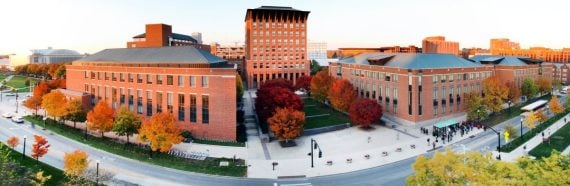
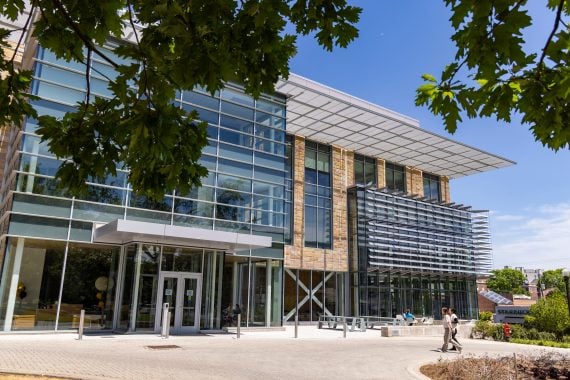
ST: My favorite spot on campus right now isn’t a finished space: it’s the construction site of Kellogg’s future state-of-the-art building. While it may seem like an unconventional choice, the project represents so much of what makes Kellogg special: vision, momentum, and a commitment to innovation. This new facility will be more than just an addition to the Kellogg Global Hub—it will physically and symbolically connect all of Kellogg’s programs, creating a true “One Kellogg” experience on our Evanston campus.
Set to open in 2027, the building will offer cutting-edge technology for hybrid instruction, global engagement, and collaborative learning. For me, walking by the site is a reminder that Kellogg is always building toward the future, expanding not just its campus footprint, but also the impact and possibilities for every student who steps through its doors.
CA: Is there anything else you’d like to highlight about your MBA program or admissions process?
ST: Kellogg is constantly evolving to meet the needs of tomorrow’s leaders, and we’re proud to offer new opportunities that reflect the school’s commitment to innovation, impact and community building. One exciting development is the launch of the Matt Caldwell Veterans Program, which expands our longstanding support for military-affiliated students through scholarships, alumni mentorship and career development. It honors the legacy of a distinguished Kellogg alum and reflects our belief in the leadership potential veterans bring to business.
We’ve also introduced the Abrams Climate Academy, a one-of-a-kind interdisciplinary fellowship that empowers students to work on real-world climate challenges alongside corporate partners. It’s a powerful way for students to create immediate impact on one of the most pressing issues of our time. And for those with entrepreneurial ambitions, our new Levy Inspiration Treks offer immersive, faculty-led travel experiences that spark ideas by connecting students directly with experts in fields like digital health, regenerative agriculture and AI.
Each of these offerings reflects the spirit of Kellogg: collaborative, forward-looking, and deeply committed to shaping leaders who will make a difference in the world.