


Sponsored Content
As climate risk, sustainable finance, and corporate accountability move from the margins to the core of business strategy, students are increasingly looking for graduate programs that blend environmental expertise with rigorous business training. At Georgetown University McDonough School of Business, the MS in Environment and Sustainability Management (ESM) is designed to do exactly that—preparing students to lead at the intersection of business performance and environmental impact.
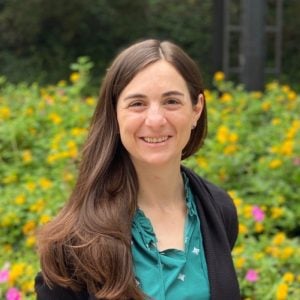
Guiding students on that journey is Emily Kane, Director of Career Services for the ESM program. With more than 15 years of experience in higher education, Emily is dedicated to helping students translate their interests in climate and sustainability into meaningful, long-term careers. Through individualized coaching, hands-on skill-building workshops, employer and alumni engagement, and market-informed advising, she ensures students are not only academically prepared, but also strategically positioned in a rapidly evolving job market.
In the interview below, Emily shares who the ESM program is best suited for, the wide range of career paths graduates pursue beyond traditional ESG roles, and how the McDonough Career Center equips students with both technical and transferable skills. She also highlights the unique advantages of studying sustainability in Washington, D.C., where proximity to policymakers, multilateral institutions, and mission-driven companies creates unparalleled access to industry leaders and career opportunities.
For prospective students considering how to align business acumen with climate impact, this inside look at Georgetown’s ESM program offers a clear view of how purpose and professional ambition can move forward together.
Who should apply for the ESM degree at Georgetown McDonough?
Emily Kane: The ESM program is designed for students interested in the intersection of business and climate/sustainability. It is best suited for those who have an academic or professional background in environmental science and/or business. The program also welcomes professionals interested in leveraging their experience to pivot into sustainability-focused work, which is increasingly becoming a strategic advantage for businesses.
When prospective students hear “Environment & Sustainability Management,” many assume the outcomes are limited to ESG or sustainability roles. How would you describe the full range of career paths ESM graduates actually pursue?
EK: One of the great benefits of the ESM program is that students are equipped to pursue many career paths in climate and sustainability. The program’s 50/50 split of business and environmental science courses gives students a wide range of experiences with content such as responsible investing, environmental data visualization and storytelling, energy transitions, the economics of climate change, and more. After completing the program, based on students’ professional backgrounds, they are positioned to pursue careers in sustainability consulting, climate finance, and sustainability and climate reporting, among others. Additionally, as employers recognize the importance of sustainability to their bottom line, they are increasingly embedding sustainability work into traditional business functions, such as supply chain, carbon accounting, and energy transition.
While many of our alumni go into business-related roles, a segment of alumni are applying the business acumen they developed during the program to more traditional environmental science positions. In doing so, they add value to their organizations by providing insights into organizational efficiency and value chain development, ensuring their organization can make the greatest impact in their work.
Here is a sample of titles our alumni have landed after the program:
- Decarbonization Project Manager
- Educational Outreach – Climate & Sustainability
- Energy Programs Outreach Specialist
- Environmental Data Analyst
- ESG Associate
- Facility Sustainability Planner
- Green Building Program Analyst
- Policy Associate
- Regenerative Agriculture Specialist
- Residential Energy Analyst
- SPC Supply Chain Analyst
- Sr Specialist Conservation Strategy & Planning
- Sustainability Analyst
- Sustainability Reporting and Assurance Associate
What are some transferable skills ESM graduates take into the job market, regardless of industry or role?
EK: Graduates of the program enter the market with a broad understanding of the impact and disruption risks of climate change, as well as the measurable effects of sustainable business practices on our world. Beyond that, they develop technical skills in areas such as data visualization, data analysis using R, consulting, leadership and developing teams, to name a few. They also develop an understanding of climate finance, carbon accounting, and more. Students will also learn to translate and communicate data and scientific measurements into digestible information for a wide range of audiences to support strategic decision-making.
All of these skills, regardless of the job pursued after graduation, will be valuable to companies and organizations as sustainability and climate work grow in importance worldwide.
What are some notable advantages of the D.C. location for ESM students as they pursue their career goals?
EK: The ESM program is based in the heart of Washington, D.C. Given this location, we are surrounded by private- and public-sector organizations poised to make a measurable, positive impact on climate change. This translates into opportunities to network with organizations at university functions and city-wide events. Notable events include Georgetown’s Business of Sustainability Leadership Summit, DC Climate Week, and the World Bank Annual Meeting.
Georgetown has a global brand, with alumni across the District, the country, and around the world doing important work across these sectors. Students in the ESM program have access to this vast alumni network. Georgetown alumni are eager to invest in the next generation of Hoyas. This is done through judging case competitions, hosting coffee chats, holding events and site visits at their employer’s headquarters, among other activities.
How does the McDonough Career Center support ESM students?
EK: McDonough Career Center has a wealth of resources to help students meet their career goals. These include tailored, one-on-one career coaching and advising specific to sustainability and climate work. A robust suite of tech resources for career exploration, along with AI-based platforms for resume and cover letter reviews and mock interviews. Career development-focused workshops to position students to be competitive in the job market. Industry-specific events and networking opportunities to expand students’ professional knowledge and network, and even a non-credit summer career course to ground students in the basics of conducting a job search before they even start class. The McDonough Career Center also builds relationships with companies and organizations where ESM students want to work, so they are connected to the right career opportunities.
Whatever path students choose in the ESM program, the Career Center is committed to their career success and excited to partner with them along the way!
We’re seeing growing interest in climate risk, data, and finance-adjacent roles. How does the ESM prepare students for these more analytical or quantitative career paths?
EK: Students gain robust exposure and experience in analytical and quantitative skills throughout the program. Their courses cover accounting, finance, economics, and strategy through a sustainability lens, along with topics such as energy transitions, earth systems, scientific measurement, and natural resources, among others. They develop important skills such as R programming and data storytelling. All students earn the GHG Protocol Scope 3, Think-Cell, and Bloomberg’s ESG certifications as part of the curriculum and students also learn OpenLCA software use as part of learning Life Cycle Assessment (LCA) methodology.
Beyond the coursework, students gain practical, hands-on experience through a required capstone project. In these projects, students apply theory to practice and deliver real business solutions to clients, supporting company needs. Past capstone projects have focused on:
- Developing the demand analysis for Series A funding for a green tech startup
- Calculated Scope 3 emissions for a company
- Developed a bespoke P&L sheet to evaluate an eco-resort’s return on investment (ROI) for their sustainability initiatives
What advice would you give to prospective students who are interested in business or strategy but aren’t sure a sustainability-focused degree is the right fit?
EK: Discovering how and where you want to make an impact in your career is an exciting process, and it begins even before you start a graduate program. To determine whether a sustainability-focused business degree is right for you, explore trends in the business and sustainability world and deep dive into topics that pique your interest. All companies have a sustainability component, so based on your areas of interest, attend a coffee chat or an information interview with a professional to determine whether a career working on a particular sustainability topic is right for you. These conversations will offer valuable insights into the day-to-day work of business and sustainability professionals, the challenges and opportunities in specific areas, and how to position yourself for success within certain industries and functional roles. Set a goal to identify approximately one to three career paths you may like to pursue before you begin the program. By doing so, you can immediately start pursuing opportunities and professional development that align with your career interests once the program begins. Wherever your career exploration leads you, ensure that it aligns with your values and where you want to make an impact professionally.
Introduce Yourself to Georgetown MS-ESM
If you like what you hear and want to connect directly with Georgetown, please provide your information. NOTE: By completing this form, you consent to having your information shared with Georgetown