


Sponsored Content
A major differentiator of the Tech MBA at NYU Stern is Stern Solutions, hands-on projects with partner companies and faculty leadership. Students are embedded directly into the curriculum through three foundational experiential learning courses.
During the one-year Tech MBA Program, real-world business challenges are central to the Stern experience through NYC Immersion, Tech Solutions, and the West Coast Immersion. Sign up to learn more.
Emily Duff is a recent Tech MBA graduate of Stern and shares her experience with Stern Solutions below.
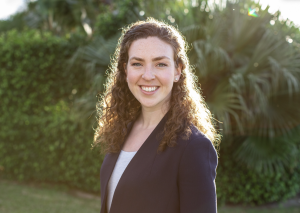
Emily Duff, NYU Stern Tech MBA Class of 2025
Hometown: New York, NY
Undergraduate: Southern Methodist University, BBA – Business (Marketing), 2018
Pre-MBA Work Experience: Principal Data Analyst, MasterClass; 3 years of experience @ MasterClass – Principal Data Analyst; 2 years of experience @ NBCUniversal – Manager, Campaign Measurement & Attribution; 1 year of experience @ Digitas – Data Analyst
Clear Admit: Why NYU Stern’s Tech MBA? What factors figured most prominently into your decision of where to attend?
Emily Duff: NYC has it all. Period. It provides the best learning experience both inside and outside of the classroom and provides unlimited access to conferences, speakers, companies, networking, and happy hours!

I stumbled into data analytics early in my career and quickly realized how much I loved it. But as I progressed, I became aware of gaps in my knowledge that could not be filled through online courses alone. Since I had already majored in business as an undergraduate, a traditional two-year MBA did not make sense for me because much of the content would have overlapped. What drew me to Stern’s Tech MBA was its unique structure. It is the only program I found that blends analytics and technology within a business context, which was exactly what I was looking for. I did not want to take two full years off from work, which made the one-year format especially appealing. Additionally, I’ve lived in New York for 6 years and did not want to leave. I wanted to attend a program that would deepen my ties to the city that I’ve made home and rebuild my network, especially after so many friends and colleagues had moved away during the pandemic.
CA: Tell us about your experience with Stern Solutions.
ED: Project-based work through Stern Solutions has been an incredibly valuable part of my growth. In addition to the experiential courses built into the Tech MBA, I completed an application that required me to articulate why I was interested in participating in a Stern Signature Project and how I would be a strong fit for the team. Through the SSP, I had the chance to explore an entirely unfamiliar industry with zero risk. I was interviewing coffee farmers in Colombia to understand the coffee value chain, which was such a unique and fascinating experience. What made it even more meaningful was that our work directly contributed to the company’s goals by helping define their go-to-market plan, conducting competitive research, and identifying their target customer. That is the beauty of these types of classes. While our program does not include a formal internship, it offers plenty of hands-on opportunities to explore new industries and skill sets. Being able to dive into something completely different and know that it mattered was both exciting and rewarding.
CA: Tell us about the Tech Solutions course. What has your experience been and how has it set you up for future success?
ED: What makes the Tech Solutions course unique is the opportunity to apply technical and business skills to real-world client challenges in a way that mirrors the complexities of the workplace. In the classroom, we learned about innovation through guest lecturers and case work, and were paired with larger companies where we could apply those learnings to build a tech-focused solution. Through Tech Solutions, I strengthened my consulting skills by helping a client adopt a tech solution that streamlined their administrative workflows. It was gratifying to see my recommendations not just proposed but actually integrated into their operations. The course also pushed me to bridge the gap between theory and practice. I applied technical skills learned in the classroom, built data science models to support client needs, and navigated the realities of working with AI in a business context. These experiences helped me grow more confident in presenting to leadership and taught me how to translate technical insights into tangible business outcomes. We made real-world business decisions that directly affected our clients. The lessons I took away applied not only to our project but also to how I can contribute meaningfully to any team in the future.
CA: As part of the West Coast Immersion, leading companies become the “classroom.” What insights from your client work did you find most impactful? Was there anything surprising about the West Coast Immersion?
ED: The West Coast Immersion brought our classroom learning to life. Visiting some of the world’s most innovative companies, many of which we have studied in case work, gave me a deeper understanding of their missions, cultures, and real-world impact. These visits helped clarify the type of work environment I want in my next role and reminded me to focus on values and culture, not just brand names. One standout visit was Upside Foods, a growing tech startup specializing in cultivated meat. I had never considered how technology could be used to grow chicken from cells, and it broadened my perspective on where innovation is happening.
Our professor, a pioneer in artificial intelligence, added rich context that connected what we learned in class to what we saw on site. This helped me better understand how companies are putting theory into practice. It was also meaningful to reconnect with the Tech MBA cohort and meet alumni who have supported our job searches. They helped me identify roles that aligned with my skillset at the within their companies and often facilitated introductions to hiring managers. Those face-to-face conversations offered valuable insight and mentorship. The experience also helped me reflect on whether I could see myself relocating to the West Coast. More broadly, it opened my eyes to the many companies outside of traditional big tech that are pushing boundaries in unique ways.
CA: What were the advantages of being based in NYC? In particular, what did you learn about the tech ecosystem here?
ED: Tech is moving east, and New York City is right at the center of it. With so many incredible opportunities just a subway ride away, it has been empowering to experience how accessible the tech world is from campus. From partnering with scrappy startups to engaging with major tech players, the proximity to innovation is unmatched. Through the Tech MBA’s Tech Immersion class, I consulted with a rapidly expanding edtech company that empowered college students to get internships at small tech companies, which opened my eyes to the opportunities and challenges that come with the nature of a start-up. Even more meaningful has been the loyal and supportive alumni network. Many have stayed in the area and are generous with their time, always open to grabbing coffee and sharing insights about their careers and industries. The steady stream of world-class speakers visiting campus has also been extraordinary. I have learned so much from intimate fireside chats with top executives who are eager to give back. Connecting with Stern alumni has not only been valuable for my career growth but genuinely fun as well.
CA: How have your fellow Tech MBA classmates impacted your time in the program?
ED: One of the most impactful parts of the program has been learning alongside classmates with diverse backgrounds. I collaborated with software engineers, founders, surgeons, lawyers, and marketers on projects that challenged my thinking and made our work stronger. Our cohort’s experience opened doors to unexpected opportunities, like building a go-to-market plan for a startup and volunteering as a beta tester for Microsoft’s Copilot agent program, where I presented feedback directly to their research team. Working with peers from around the world broadened my perspective on global work cultures and pushed me to think beyond a North American lens. Our shared curiosity even sparked student-led “lunch and learns,” where classmates presented insights from industries like big tech and startups. Being part of a cohort of 60 driven and collaborative people has been inspiring and has motivated me to take full advantage of every opportunity while staying focused on my goals.
CA: What advice do you have for candidates considering the Tech MBA?
ED: The year flies by, so be intentional from the start. Before the program begins, take the time to write down your goals, both personal and professional, and let them guide your decisions. With so much happening, it is impossible to say yes to everything, so choose experiences that align with your priorities. One of the most valuable parts of the program is the people. Invest time in getting to know your cohort and Tech MBA alumni on a deeper level because the relationships you build will enrich your experience and expand your network long after the program ends. Push yourself to take on projects that stretch your skillset and give you something you are genuinely proud to speak about in future interviews. Most importantly, remember that there is something here for everyone. Find the people and opportunities that energize you and help you grow, and let those guide your experience.