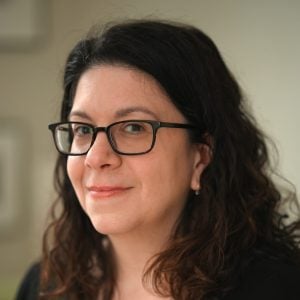


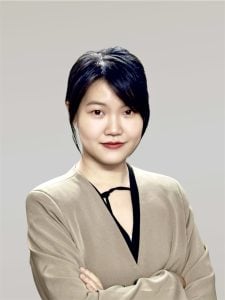
Anh Phuong Do, Washington University Olin’s MBA Class of 2027
Age: 26
Hometown: Ho Chi Minh City, Vietnam
Undergraduate Institution and Major: Business Administration – Marketing
Pre-MBA Work Experience: Senior Advisory, EY, 3 years
Why did you make the decision to attend business school? Why now?
Leading a forensics project at EY became my inflection point. While investigating fraud cases, I discovered that most violations stemmed not from criminal intent, but from weak governance and broken systems. I realized I was treating symptoms, not root causes. I’d been approaching it from passion alone, but witnessing operational failures firsthand showed me I needed systematic training in data governance, supply chain optimization, and strategic frameworks. The timing was right: I had enough experience to know what skills I lacked, but was early enough in my career to pivot strategically. Business school isn’t a pause. It’s the foundation for building something sustainable and ethical.
Why did you choose WashU Olin? What factors figured most prominently into your decision of where to attend?
After spending most of my life in a big Vietnamese city, I wanted something different—a place where I could immerse myself in nature, experience four seasons, and enjoy a more affordable lifestyle. St. Louis checked those boxes beautifully.
More importantly, the academics aligned perfectly with my goals. WashU Olin’s reputation for startup specialization drew me in, along with the opportunity to strengthen my skills in business analytics and operations optimization. I preferred a small class size where I could build genuine relationships with classmates, and Olin’s flexible concentration structure gave me room to design my own journey without excessive requirements.
The fall semester divides our cohort into two sessions, and while some students wish there were more mixing between sessions, the intimate class size still allows us to learn deeply about each other and build meaningful connections.
What do you think is your most valuable or differentiating contribution to the Class of 2027?
My mixed background in forensics and consulting gives me a skeptical lens on business problem. When working in teams juggling multiple assignments, my consulting and marketing experience helps with project management and prioritization.
Beyond analytical skills, I bring the lived experience of navigating discrimination and economic uncertainty. My family’s story reminds classmates that entrepreneurship isn’t always about disruption—sometimes it’s about preservation, dignity, and honoring where you come from.
Tell us a fun fact about yourself that didn’t get included on your application:
I once led a tour for 17 elderly travelers, all over 60 years old, through three U.S. states! Managing their schedules, health needs, and keeping everyone happy taught me patience and adaptability in ways I could never imagine.
Post-MBA career interests:
I hope to secure a business analytics role, optimizing scalable operations and logistics systems for global brands. I want to deepen my technical expertise in data governance and process efficiency, essentially becoming the person who could have prevented the operational failures I investigated.
Advice for Current Prospective Applicants:
–What is one thing you would absolutely do again as part of your application process?
Connecting with alumni and current students for insider stories. Don’t just ask generic questions—ask about their favorite activities during special school events, their career expo experiences, or memorable school trips. These conversations reveal personal, tailored insights you can’t find on websites and help you craft a more authentic “Why this school?” narrative.
–What is one thing you would change or do differently?
I would start earlier to give myself more time for thoughtful reflection rather than rushing. Applying in Round 1 gives you advantages. Aim for the highest GMAT score possible, but remember it’s not the only criterion. A strong GMAT can increase scholarship chances, but it doesn’t guarantee admission. Your full profile matters.
–What is one part you would have skipped if you could—and what helped you get through it?
If I could skip anything, it would be the GMAT—but most of us can’t! I would also attend fewer school events and conferences; one or two per school is enough. Record them for review instead of attending everything live. I spent too much time agonizing over which schools to apply to—trust your instincts earlier and commit.
 What is your initial impression of the WashU Olin students/culture/community?
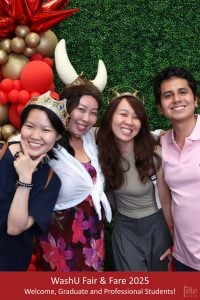
Genuinely collaborative, not competitively performative. I’m thrilled to have made friends from different countries, and we spend quality time together beyond academics. The diversity is remarkable: my close friend group spans China, Peru, Bhutan, Nigeria, and Vietnam. We’re not just classmates, we’re building real friendships through cooking together, celebrating cultural holidays, and supporting each other during stressful weeks. There’s intellectual rigor without the cutthroat atmosphere.
What student organizations have you joined/are you hoping to join and why?
I’m currently working part-time at the Boeing Center for Supply Chain Innovation as a Corporate Ambassador, collaborating with students from various programs to solve real client problems. It’s been eye-opening to observe how PhD students and professors approach operational optimization differently from my consulting background.
I’m also interested in entrepreneurship clubs connected to The Hatchery and BIG IdeaBounce competition, where I can develop my textile brand concept with mentorship. Additionally, I want to contribute to diversity and cultural organizations, helping build the Vietnamese student community and creating welcoming spaces for international students navigating cultural transitions.
What is one thing you have learned about WashU Olin that has surprised you?
I was surprised on how immediately applicable the coursework is. My Operations course has been particularly transformative. The professor provides practical tools for process exploration and simulation building, sharing examples of alumni applying these techniques in their careers. I’m fascinated by this approach and eager to incorporate it into future projects. The Finance course strikes a similar balance – bringing real-world concerns like the rent-versus-buy decision into exercises. This grounds abstract concepts in practical application, showing us how financial principles inform not just professional decisions but personal ones too. What I appreciate most is that professors don’t just teach frameworks, they show us how to apply them immediately, whether you’re optimizing a client’s supply chain or making smarter decisions in your own life.
What is one thing you are most excited about in your first year?
I’m genuinely excited about Center for Experiential Learning projects, particularly the CFAR Practicum Project. Selected students travel to New York for hands-on experience with companies and real projects—it’s the perfect blend of experiential learning and industry exposure I was seeking.