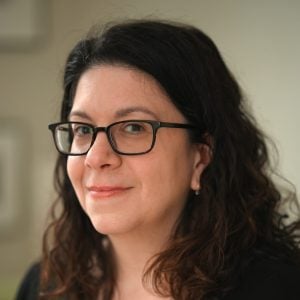


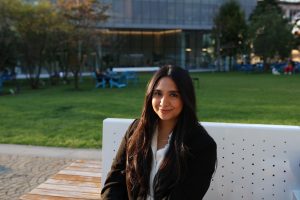
Roshni Bagli, Harvard Business School MBA Class of 2027
Age: 29
Hometown: Manila, Philippines
Undergraduate Institution and Major: Washington University in St. Louis, Major in Economics & Cognitive Neuroscience
Pre-MBA Work Experience: Dove Hair Marketing Brand Manager, Unilever, 2018-2025
Why did you make the decision to attend business school? Why now?
At Unilever, I enjoyed creating products that made a difference for consumers, but I also noticed how slow and costly innovation could drain resources and deflate powerful brands. After several years of working across various beauty categories and brands, I was looking for a way to accelerate my industry learning beyond the CPG space and take on more ownership. After talking with mentors, I realized that business school could help build the strategic and analytical skills to be a more holistic marketer, develop frameworks to systematically navigate the unknown, and provide opportunities to hone my entrepreneurial and creative skills across other industries.
Why did you choose HBS? What factors figured most prominently into your decision?
I chose HBS because it felt like the best place for me to become the kind of leader who can drive change at scale. The case method stood out most. Before I applied, I visited and was in awe as I observed a class. Sitting among students from all around the world instantly took me back to my childhood (I grew up moving around and studied in international schools across Asia). The classroom was an idea incubator—a dynamic conversation between industry specialists from different backgrounds coming together to create richer, more meaningful discourse. Seeing that dynamic in person reaffirmed my belief that HBS is where I wanted to learn from world-class faculty and an exceptional group of peers.
What do you think is your most valuable or differentiating contribution to the Class of 2027?
My most differentiating contribution is that I bring end-to-end consumer brand-building experience, not just strategic marketing, but the hands-on work that comes with innovation marketing. At Unilever, I built products from scratch, working directly with formulators, packaging teams, and supply chain partners, including leading complex year-long projects with tight timelines. I’ve also worked closely with retailers, including presenting directly to buyers and even spending a few weeks stocking shelves. I’ve been to factory plants and understand how tradeoffs across product design, cost, timelines, and manufacturing constraints shape what consumers experience. Since traditional CPG and brand management are often underrepresented in the classroom, I’ve brought a practical perspective from seven years spanning sales through innovation, grounding discussions in what it really takes to build and scale consumer products in the real world.
Tell us a fun fact about yourself that didn’t get included on your application
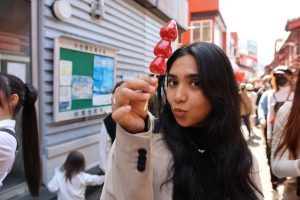
I’m an avid cookbook collector, and in New York City I ran a small food Instagram account where I shared my favorite hole-in-the-wall spots with friends.
Post-MBA career interests?
Though I entered HBS thinking I would pivot away from traditional brand management, the coursework in my first semester, as well as discussions with HBS marketing professors, inspired me to re-explore brand management across different industries. This summer, I hope to stretch myself by working in a faster-paced, more entrepreneurial environment, such as the health-tech industry, while continuing to hone my marketing skills.
Advice for Current Prospective Applicants:
–What is one thing you would absolutely do again as part of your application process?
I would take practice tests for both the GMAT and the GRE before committing to one exam. Doing this upfront made it much easier to understand which test aligned better with my testing style and innate strengths—especially under time pressure. The formats reward different skills, and I was surprised by how differently I performed depending on the structure and pacing. Before you lock into months of studying, I really recommend taking at least one full-length practice test for each exam so you can choose the one that sets you up to succeed.
–What is one thing you would change or do differently?
I would start personal reflection much earlier. You truly can’t rush the most meaningful parts of essay writing, and I waited too long to do some of that work. Figuring out what motivates me, which environments I thrive in, and what I want from business school beyond career outcomes was extremely helpful. If I could redo it, I would spend more time upfront getting clear on my “why,” because it naturally makes the rest of the process easier. That reflection doesn’t just help you get in; it also helps you choose the right program to apply to as well.
–What is one part you would have skipped if you could—and what helped you get through it?
The constant second-guessing. It’s so easy to spiral into “Is this good enough?” or “Does this sound like the school’s vibe?” and end up over-editing your essays until they lose your personal voice. Looking back, I wish I had spent less time trying to perfectly tailor every sentence to what I imagined admissions wanted and more time making sure I sounded like myself. What helped me get through it was setting boundaries, getting feedback from a small group of trusted people, limiting the number of drafts I allowed myself, and reminding myself that authenticity was key.
 What is your initial impression of the HBS students/culture/community?
My initial impression is that HBS students are incredibly high achieving, but also more supportive than I expected. I’ve spent hours with classmates dissecting problem sets, poring over case work, and working through financial models. Everyone is extremely smart but still willing to slow down and help others learn. The culture can feel dauntingly fast-paced, and there’s definitely a high bar in the classroom, but there’s also this shared understanding that everyone is pushing themselves, and that you show up better when you support each other rather than compete.
What student organizations have you joined/are you hoping to join, and why?
Coming to campus, I wanted to join clubs that reflected both my experience in consumer products and the spaces I’m excited to explore next. I’m involved in the Marketing Club, where I’ve loved being around people who are interested in or have worked in CPG. I hope to help classmates who are exploring brand/product paths through recruiting prep and career conversations. I’ve also joined the health care and entrepreneurship communities, since I’m interested in learning how innovation looks in faster-moving, less traditional industries and staying close to the speaker events and company exposure those clubs offer.
What is one thing you have learned about HBS that has surprised you?
I knew HBS would bring in impressive speakers, but I’m still shocked by the caliber and frequency of the guests we get in and outside the classroom. Over the semester, we’ve had an incredible number of case protagonists (often CEOs and senior leaders) come into the classroom to discuss their perspectives, take questions, and reflect in real time. It’s one thing to study a company through a case, but it’s completely different to engage directly with the person who made those decisions. That level of access makes the learning feel extremely poignant, and it’s been one of the most motivating aspects of the HBS experience so far.
What is one thing you are most excited about in your first year?
I’m most excited about the FIELD program, HBS’s first-year capstone, where students travel and work internationally with a team of peers. I’ve never worked abroad in a professional setting, so I’m looking forward to being pushed into a new environment where I’ll need to adapt quickly, collaborate across cultures, and apply classroom learning to real business challenges. It feels like one of the most unique parts of HBS, and I know it will stretch me in ways I haven’t experienced before.