

As part of Clear Admit’s recent webinar on the global advantage of a U.S. MBA, visa and immigration expert Travis Feuerbacher, a former consular officer and current immigration attorney, offered a candid, practical look at navigating the student visa process. His message: while the process requires preparation, it is both manageable and highly achievable.
The Big Picture: The System Is Stable and You Can Succeed

Feuerbacher emphasized that despite frequent headlines about immigration policy changes, the core criteria used by visa officers have remained consistent for decades.
He reassured applicants that international students have been successfully coming to the U.S. for over a century, and continue to do so every day. For admitted MBA candidates, this is a critical point: acceptance to a reputable program already positions you well for visa approval.
At the same time, he cautioned against complacency. The visa process is “anything but a rubber stamp” and requires thoughtful preparation.
Understanding the Visa Officer’s Mindset
One of the most valuable insights from Feuerbacher was a clear breakdown of how visa officers evaluate applicants. He explained that decisions typically hinge on three key questions:
1. Are you a genuine student?
Officers assess whether you intend to enroll full-time, attend classes, and complete your degree.
2. Can you afford the program?
You must demonstrate the financial means to cover tuition and living expenses.
3. Do you intend to leave the U.S. after graduation?
This is a crucial requirement—even if future opportunities (like work visas) may arise later.
Importantly, Feuerbacher noted that the default stance is skepticism, meaning applicants must actively demonstrate their qualifications and intent.
The Visa Process, Step-by-Step
Feuerbacher outlined the visa journey in simple terms:
- Receive your I-20 form from your MBA program
- Complete the online visa application (DS-160)
- Schedule your visa interview
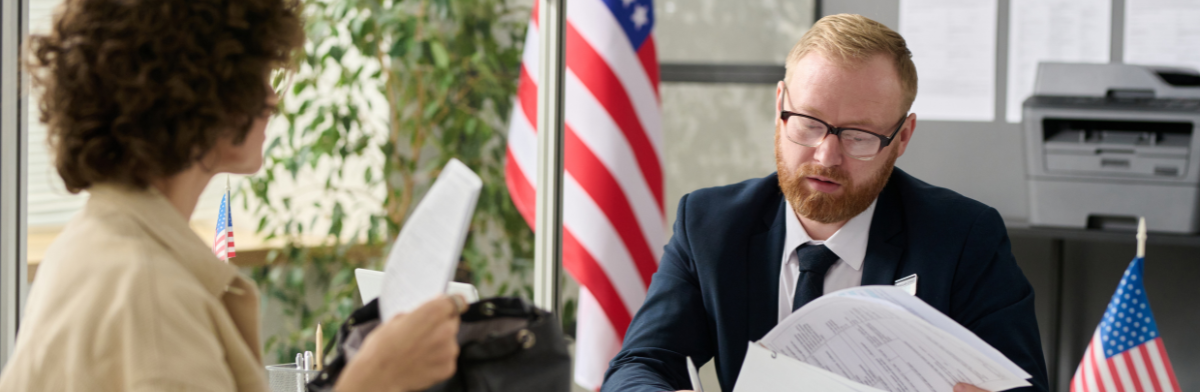
- Attend the interview and undergo required checks
- Receive your visa and travel to the U.S.
While straightforward in structure, timing and execution matter, especially given evolving logistics.
Timing Matters More Than Ever
One of the most practical takeaways: Start early.
Due to recent policy changes, applicants must now typically schedule visa interviews in their home country (or country of residence), which can lead to longer wait times in high-demand regions like India or China.
Feuerbacher’s advice is clear:
- Begin the process immediately after receiving your I-20
- Don’t wait to “figure things out later” as delays can be costly
The Most Common Mistake Applicants Make
According to Feuerbacher, one of the biggest pitfalls is being too passive in the interview.
Candidates often:
- Give overly short answers
- Fail to provide context
- Don’t proactively explain their situation
Instead, applicants should:
- Clearly articulate their goals
- Provide supporting details
- Demonstrate confidence and preparation
As he put it, success comes from “proactively volunteering details and context” rather than waiting to be prompted.
Be Careful Where You Get Advice
Feuerbacher also warned about the abundance of misinformation online, particularly in forums and informal networks.
His recommendation:
- Start with official sources like the U.S. State Department
- Rely on your school’s international student office
- Be cautious about anecdotal or outdated advice
You’re Not Alone—And Schools Want You to Succeed
Perhaps the most reassuring takeaway: Business schools are deeply invested in helping international students succeed.
Feuerbacher underscored that:
- Schools actively want international students to enroll
- Dedicated teams exist to support visa and immigration processes
- Collaboration between schools and immigration experts is common
His advice: Build relationships early with your school’s international office—they are key allies in the process.
Final Takeaway
For international MBA applicants, the visa process can feel daunting, but Feuerbacher’s guidance reframes it as structured, predictable, and navigable with the right preparation.
The essentials:
- Start early
- Understand the officer’s criteria
- Prepare strategically for your interview
- Use trusted resources
Most importantly, if you’ve earned admission to a U.S. MBA program, you are already well-positioned to succeed in the visa process.